
Celebrating Black History Month at Brandeis: in conversation with a student leader
In recognition of Black History Month, Zaire Simmonds ’26 shared more about the events happening on campus and the importance of celebrating Black history and culture all year long.
As Supreme Court Justice Thurgood Marshall once said, “In recognizing the humanity of our fellow beings, we pay ourselves the highest tribute.” His words resonate every February, as the United States honors Black History Month, highlighting the culture, history and heritage of the Black community. The month not only celebrates Black people’s long-standing fight for justice and inclusion, but also recognizes the countless achievements of African Americans. Founded by Carter G. Woodson in 1926, Black History Month aims to center Black people’s past and successes as a permanent part of American history.
In a Feb. 2 email sent to students by the Dean of Students, Monique Gnanaratnam, and the Vice Provost for Access and Excellence, Lee Bitsóí, the University shared several ways they planned to honor Black History Month at Brandeis. The email provided a brief history of the observance, and also emphasized Brandeis’ historical connection to civil rights, noting archival collections that document Black experiences. Currently, the University houses several materials related to Ford and Sydeman Halls along with rare works by Langston Hughes, Zora Neale Hurston and Wallace Thurman. The email also extended an invitation to all members of the Brandeis community to attend the numerous events throughout Black History Month.
In a Feb. 20 interview for The Justice, Zaire Simmonds ’26 provided insights as to how Black History Month is honored on campus. For two years, Simmonds has served as the undergraduate department representative of the Education program and is currently a study abroad ambassador, an ambassador for the Intercultural Center (ICC) and the co-president of the Brandeis Black Student Organization (BSO). He is also the founding president of the Brandeis Aspiring Educators. As the co-president of BSO, one of the largest culture clubs on campus and one with a rich history, Simmonds works to advocate for and help improve Black students’ experiences at Brandeis. He also changed the BSO general meetings to include an educational component so attendees can take something away from each meeting.
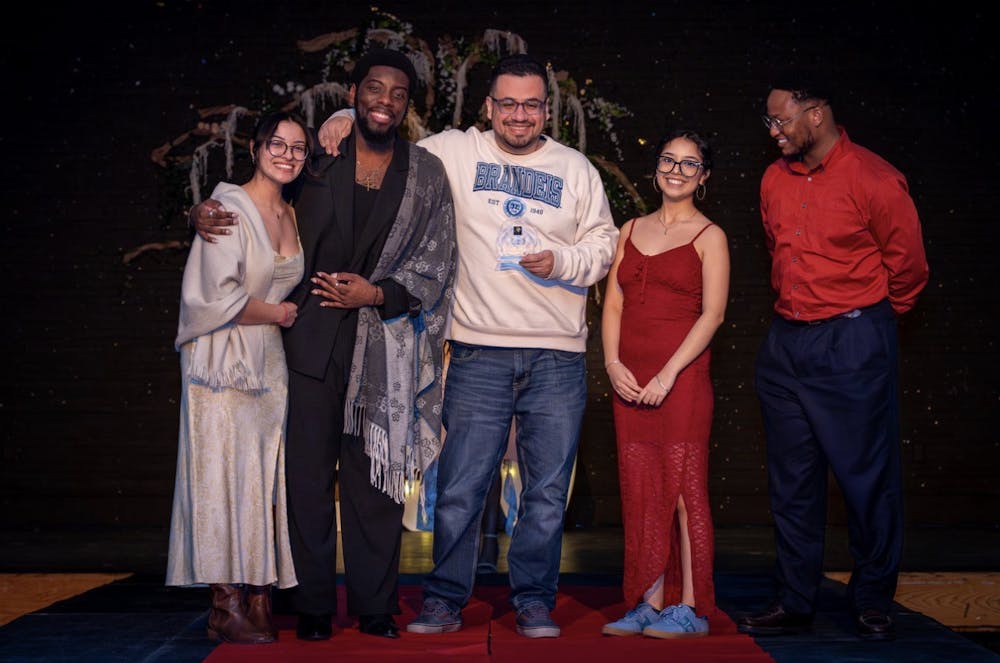
Simmonds explained that the events organized by students that took place the last week of February honored Black history on campus. Black Homecoming was a four-day celebration that included the following events: “Talk About It” on Feb. 25, a blackout party on Feb. 27, “The Gala: Enchanted Forest” on Feb. 28 and “The Showcase: Dandy by Design” on March 1. The “Talk About It” event fostered a space where Black students were encouraged to discuss and present anything they were passionate about. The Gala is an annual event that allows Black students to be uplifted for their achievements. “The gala is our way of showing that you are being seen and recognized,” he shared. This year, ten awards in different categories were presented to students, faculty and staff members to honor Black excellence. “The gala is our way of showing that you are being seen and recognized,” he shared. Simmonds was awarded the night's highest honor, the Umoja (Unity) Award, for exemplifying unity, excellence and the beauty of collective growth within the Brandeis BSO community.
One of the main highlights of the Gala is the showcase, and this year featured a fashion show that brought students through the journey of different eras of Black history. “We are taking you on the eras of Blackness, starting with dandyism, then moving into the Black Panther era, taking you to the 90s and early 2000s and into the modern era. We are showing the revolution and the fights that we were fighting through this era,” Simmonds explained. The annual Homecoming event extends an invitation to everyone, as it not only allows Black students to honor their history and culture but also allows all students to learn about the lives and cultures of Black students on campus. Simmonds believes that understanding, listening and learning about different cultures is crucial to promoting inclusivity and justice on campus.
While these events play a key role in representing Black history and culture at Brandeis, Simmonds also addressed the importance of cultural clubs’ financing. Cultural clubs host several events throughout the year, and resources are critical to ensuring they happen. He highlighted the importance of the University’s continuous financial support to clubs, as students work hard all year long to make cultural events possible and celebrate diversity and justice.
The presence of administration, faculty and staff at student-organized events is equally important. He believes that showing up is a way of supporting other people and celebrating them for who they are. Simmonds shared his view on that presence: “We are not just the Black Student Organization. We are the Brandeis Black Student Organization. Therefore, I do think Brandeis needs to be more involved with our group, in support of our group.” As Black culture is a vital part of the Brandeis community, all members on campus are encouraged to participate in the events organized by BSO. Simmonds said that even if invitations aren't sent, it doesn’t mean people cannot come. The events are open to the entire Brandeis community and provide valuable opportunities for everyone to learn, connect and show support.
Personally, Simmonds shared that Black History Month is an opportunity for “all people that aren’t Black and America as a whole to not have a choice but to recognize and acknowledge Black achievements, Black contributions, Black excellence and Black people overall. It’s an opportunity to give some flowers, finally, and have conversations centered around Black people and just what it means to be Black.” Nowadays, these conversations play a critical role in promoting awareness, understanding and inclusivity within the campus community. As conversations about race and identity continue to evolve on campus, Black History Month serves as a reminder of the triumphs and resilience of the Black community, as well as the ways in which the University can truly support its mission for justice and inclusion for all.

Please note All comments are eligible for publication in The Justice.