
Crash at Suzuka raises safety concerns under new F1 regulations
Drivers call for changes as FIA reviews regulations following high-speed Safety Car incident
The 2026 Japanese Grand Prix at Suzuka ended with Kimi Antonelli securing his second consecutive victory, a result that also made him the youngest championship leader in Formula One history.
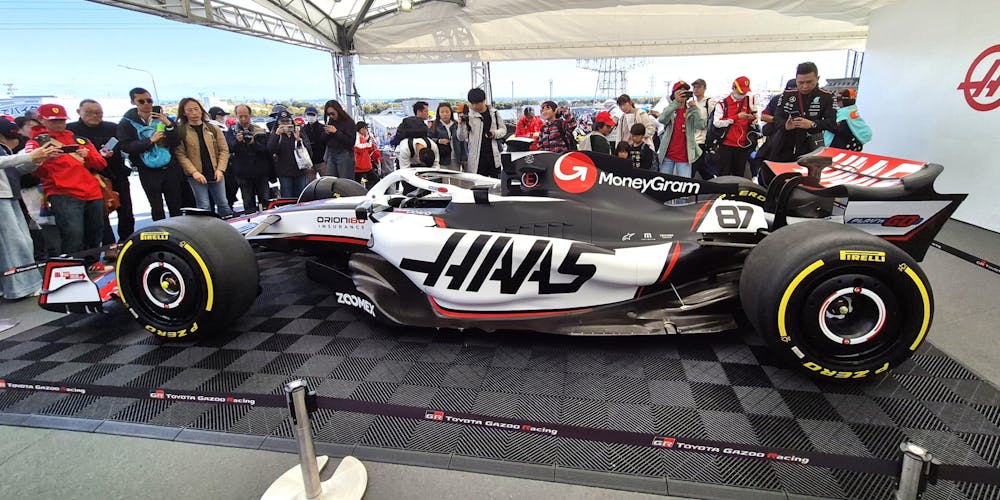
On lap 22 of the 53-lap race, a heavy crash from Haas driver Oliver Bearman brought out the Safety Car. The impact was severe, with the car hitting the barriers at high speed. Bearman limped out of his Haas car before collapsing to the ground as marshals assisted him. He was unable to put weight on his right leg, and an X-ray at the circuit confirmed bruising and swelling in his knee. The team confirmed that Bearman had avoided any bone fractures but had suffered a right knee contusion.
Bearman drove off the track at nearly 190 mph, and his car was sent flying into the barriers, where he sustained a 50G impact. Under this season’s new hybrid regulations, Formula One introduced a greater reliance on electrical power, including a “boost mode” that drivers can deploy for extra speed, particularly when attempting overtakes. In this case, Bearman’s use of the boost button made him around 50 kph faster than Alpine’s Franco Colapinto, the car he was pursuing, creating a significant speed difference.
Many had warned that this scenario was likely as a result of the new regulations. Current world champion Lando Norris raised concerns at the opening round in Australia, pointing out the risks of the new regulations. After the incident at Suzuka, Williams driver and director of the Grand Prix Drivers’ Association, Carlos Sainz, agreed that a better solution was needed, adding to growing pressure on the FIA. As Sainz stated in post-race interviews, the incident was fortunate to occur at Suzuka, a track with enough space and run-off. However, if a similar incident occurred at high-speed circuits such as Baku, Singapore, or Las Vegas, the result could have been much more severe. These are just some of the criticisms and warnings that have already been raised about the new regulations throughout this season.
The FIA issued a statement confirming that the regulations will be reviewed before the next round in Miami in five weeks. The statement noted that several meetings are scheduled in April to assess the current system and determine whether refinements are needed to prevent similar incidents.
Despite the widespread call for a solution, it will be incredibly difficult to reach one that satisfies everyone. These concerns do not exist in a vacuum, and there are cause-and-effect complications in all approaches to managing energy and distributing power. At the center of the issue is the increased use of electrical energy and the changes designed to make racing more “competitive.”
With the result, Antonelli rose to the top of the drivers’ standings early in the season, signaling a potential championship fight between the Mercedes drivers.

Please note All comments are eligible for publication in The Justice.